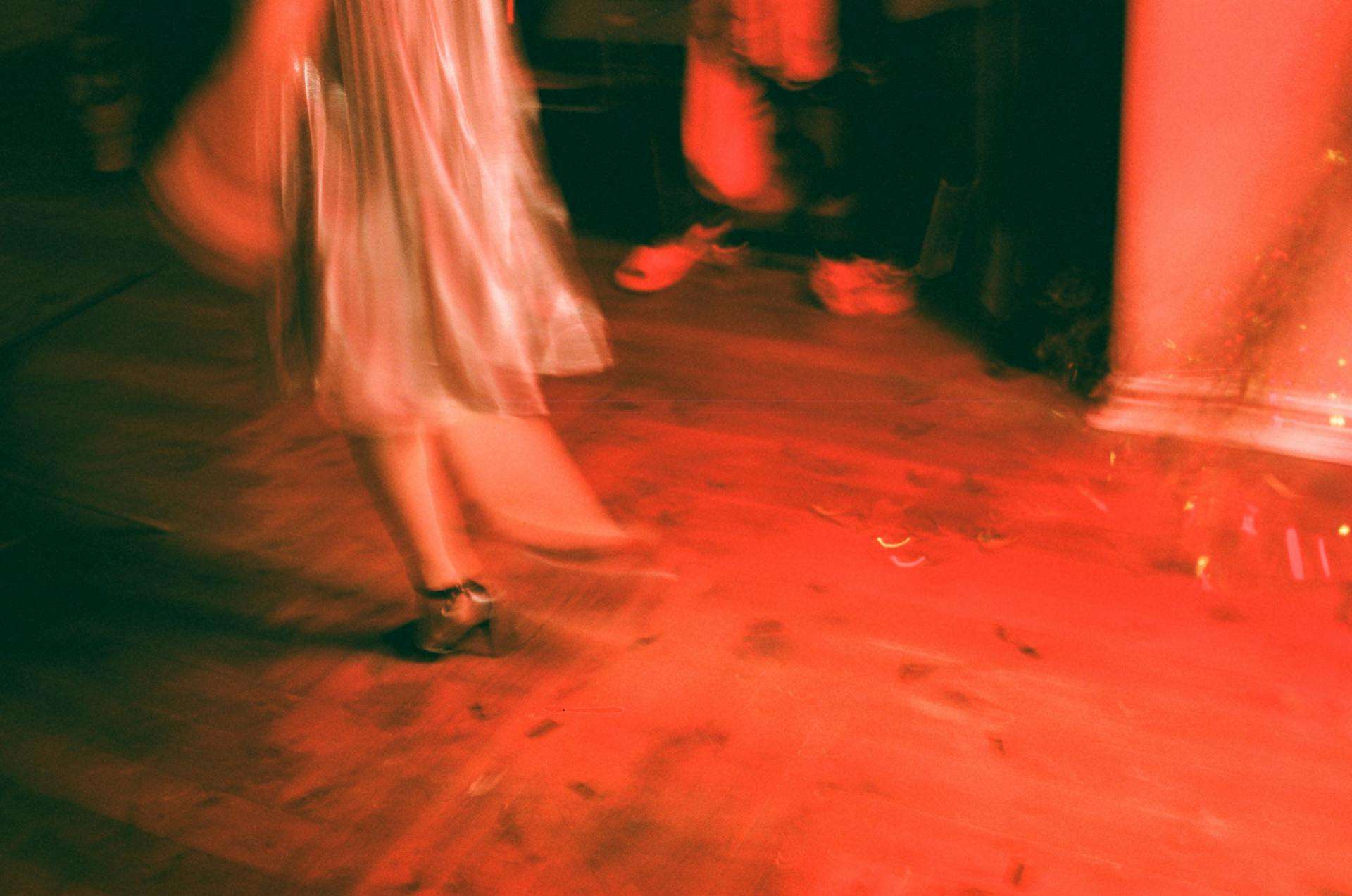
In 1970s giallo films, colour was not there to represent reality, but to amplify emotion. A blood red, a bright yellow, vivid and contrasting tones that almost make you forget the plot to immerse you in an atmosphere. Colour served feeling, not precision.
This is exactly what we find today in graphic design. Designers play with colour not simply to embellish, but to create a visual experience. As in a giallo, where each scene is a tableau, each logo or poster can become a way to communicate an atmosphere.
Contrast, intensity, and colour saturation are no longer used simply to “look nice”. They are used to provoke, to capture attention and to convey a message instantly. Just as a giallo does not merely tell a story, good graphic design does not merely make a product visible: it must create a sensation.
Giallo redefined the way images could manipulate emotion, and in the design world this approach has become essential. Because, in the end, aesthetics are nothing more than the reflection of an intention.